Pulmonology - Axel Health Centre
Advanced diagnosis and treatment for asthma, COPD, and lung diseases to help you breathe easier every day.
- Home
- Allergy, Pulmonology, Sleep
- Pulmonology
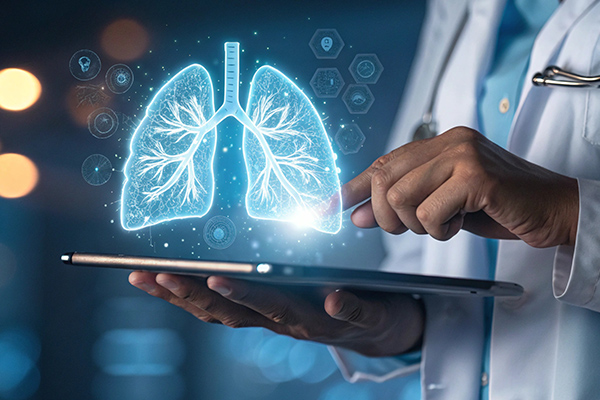
Modern Respiratory Care
Advanced Lung function test
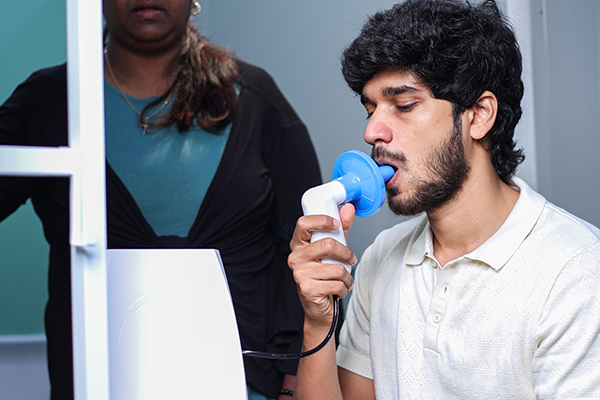
Advanced lung function tests provide detailed information about how well the lungs are working beyond basic measures like simple spirometry. These tests are crucial for diagnosing, managing, and monitoring various respiratory conditions such as asthma, chronic obstructive pulmonary disease (COPD), interstitial lung disease, and other complex lung disorders.
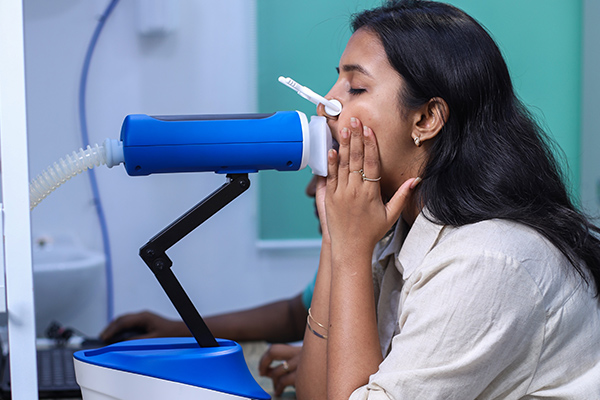
Impulse Oscillometry (IOS) is a newer, non-invasive method that measures airway resistance and reactance during normal breathing. It is highly sensitive in detecting small airway dysfunction, which traditional spirometry might miss. This is particularly helpful for early diagnosis and management of asthma and COPD.
Breathe Easier with Confidence
Impulse Oscillometry
Impulse Oscillometry (IOS) is a cutting-edge, non-invasive pulmonary function test used to assess airway resistance and lung mechanics.
At Axel health centre, IOS is used for early diagnosis and monitoring of respiratory conditions such as asthma, chronic obstructive pulmonary disease (COPD), allergic bronchitis, and small airway diseases. The test is quick, takes only 5–10 minutes, and provides real-time information about both central and peripheral airway resistance.
Why is Impulse Oscillometry Important?
- Effortless & Comfortable: No need to take deep breaths or blow into a tube forcefully.
- Early Detection: Helps identify small airway dysfunction even before symptoms appear.
- Ideal for Sensitive Groups: Perfect for children aged 4+, elderly patients, and those with neuromuscular disorders.
- Highly Accurate: Provides detailed graphs and numerical values to assess lung health precisely.
Enhances Asthma Diagnosis
FeNO Testing
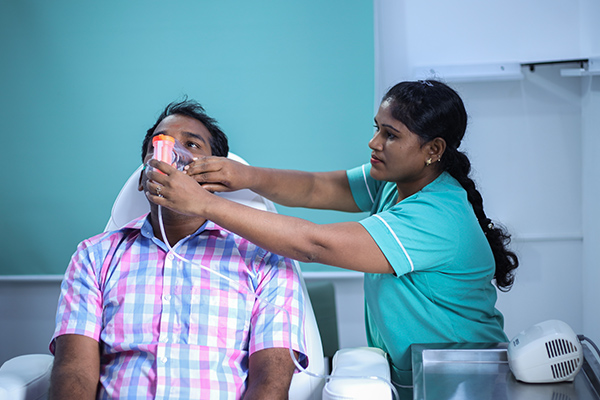
FeNO testing, short for Fractional exhaled Nitric Oxide testing, is a non-invasive procedure used to measure the level of nitric oxide in a person’s breath. Nitric oxide is a gas naturally produced by the cells lining the airways in the lungs. Elevated levels of exhaled nitric oxide indicate inflammation in the airways, which is a key feature of asthma and other respiratory conditions.
FeNO testing helps doctors diagnose and manage asthma by providing a direct marker of airway inflammation. Unlike traditional lung function tests that measure airflow limitation, FeNO testing detects inflammation even before symptoms become severe. This allows early intervention to prevent asthma attacks and worsening of the disease.
Breathe Easier with Confidence
Asthma Treatment & Rehabilitation
Asthma is a chronic respiratory condition characterized by airway inflammation and narrowing, leading to symptoms like wheezing, shortness of breath, coughing, and chest tightness.
Treatment typically involves a combination of medications and lifestyle management. The mainstay of asthma therapy includes:
- Inhaled corticosteroids (ICS): These anti-inflammatory drugs reduce airway swelling and prevent asthma attacks. They are the most effective long-term controller medications.
- Bronchodilators: These include short-acting beta-agonists (SABA) for quick relief during asthma attacks, and long-acting beta-agonists (LABA) used alongside ICS for ongoing control.
- Leukotriene modifiers, immunomodulators, and oral corticosteroids may be prescribed in severe or difficult cases.
- Biologic therapies targeting specific immune pathways are available for patients with severe asthma unresponsive to standard treatment.
Diagnosing and Managing Lung Diseases
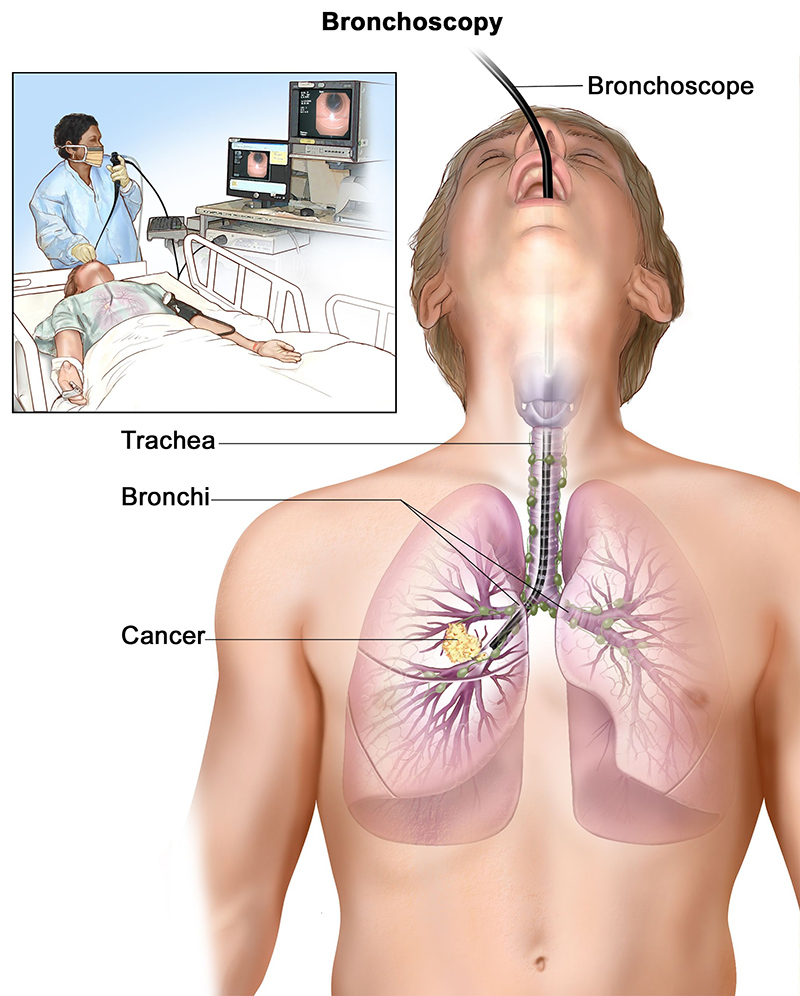
Bronchoscopy
Bronchoscopy is a medical procedure used to examine the inside of the airways and lungs using a thin, flexible tube called a bronchoscope. The bronchoscope is equipped with a light and camera, allowing doctors to view the trachea, bronchi, and smaller airways in real time. This procedure is essential for diagnosing and treating various respiratory conditions.
Bronchoscopy can be performed for several reasons, including investigating unexplained coughing, persistent lung infections, abnormal chest X-rays or CT scans, lung tumors, or bleeding. It also helps obtain tissue samples (biopsies), remove foreign objects, or clear mucus plugs that obstruct airflow.
There are two main types of bronchoscopy:
- Flexible Bronchoscopy: The most common method, where a flexible tube is inserted through the nose or mouth into the lungs. It is usually performed under local anesthesia and mild sedation, making it safe and well-tolerated.
- Rigid Bronchoscopy: This uses a rigid metal tube and is typically done under general anesthesia. It is used for more complex procedures like removing large obstructions or controlling heavy bleeding.
Get in Touch
Have questions or need assistance?
Get in touch with our team today!

About Us
Our Services
Contact Info
- +91 9790810880
- info@axelhealthcare.in
- No. 6B/5, Manasarovar Nagar, near Manapakkam, Ramamoorthy Nagar